April 3, 2026
COVID-19 Inquiry Report
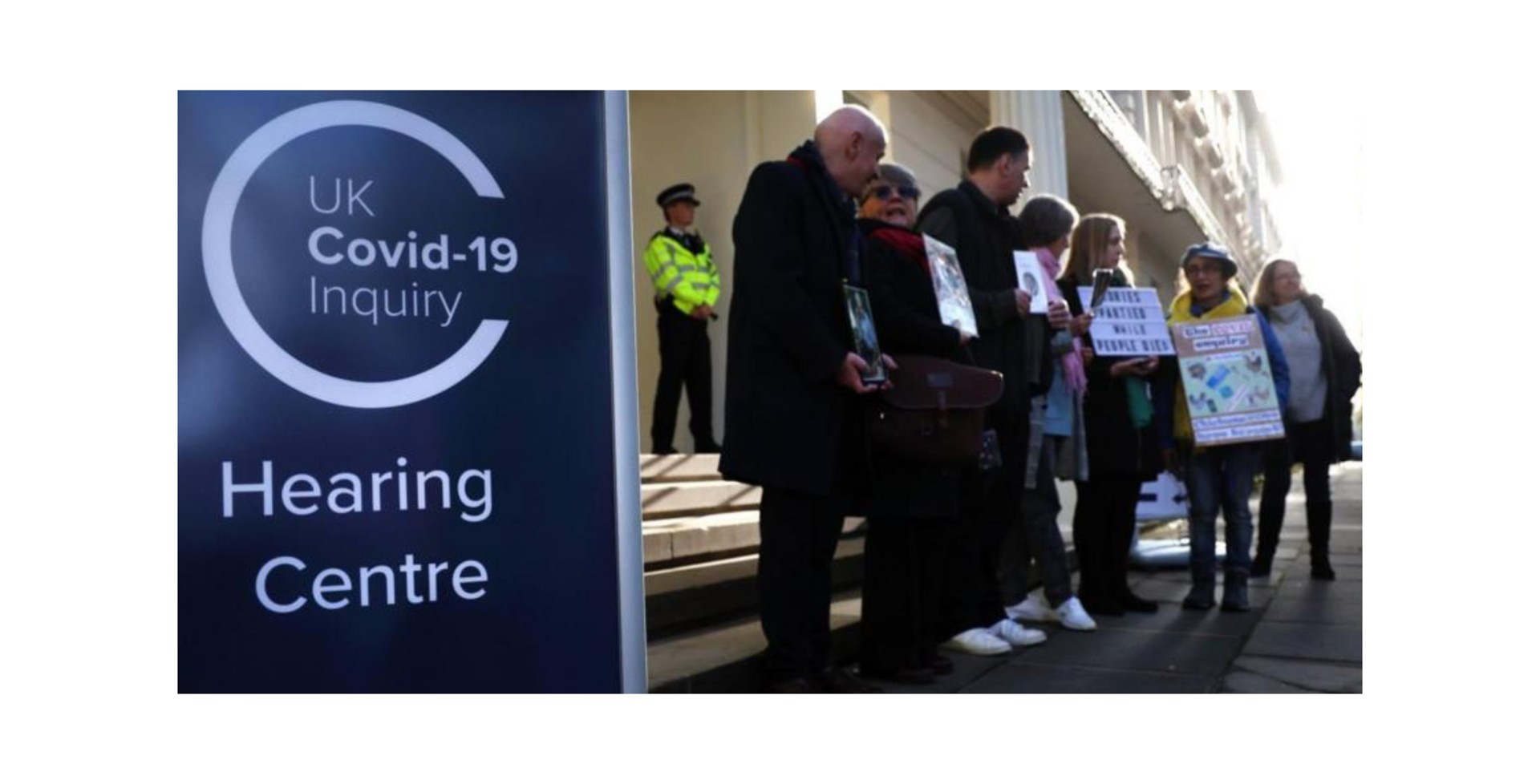
COVID-19 Inquiry Report Highlights Need for Resilient, Evidence-Based OversightThe publication of the latest COVID-19 Inquiry report provides a detailed and often challenging reflection on how the health and social care system responded to the pandemic. Among its key themes are the impact of delayed decision-making, variability in oversight, and the consequences of limited visibility of risk within services during a period of unprecedented pressure.
For the care sector, the report reinforces a central lesson: effective oversight cannot be paused during periods of crisis; indeed, it becomes more critical.
Inspection During the PandemicWhile much regulatory activity was reduced or adapted during COVID-19, Care Inspections UK (CIUK) continued to undertake inspections throughout the pandemic. This was not without significant challenge. However, CIUK maintained its position that independent, evidence-based inspection remained essential to:
• Identify and manage emerging risks
• Support providers under extreme operational pressure
• Maintain visibility of quality and safety within services
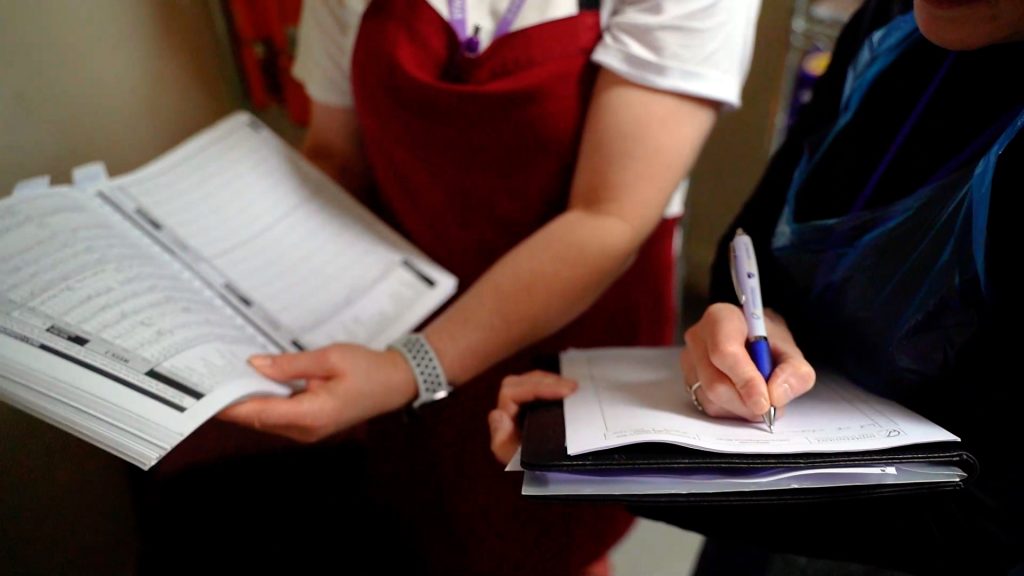
Inspections were conducted under strict cross-infection control protocols, including enhanced PPE, risk-assessed site access, and adapted methodologies to ensure the safety of both inspectors and service personnel. This enabled CIUK to continue delivering robust, independent assurance at a time when it was most needed.
Lessons for the FutureThe Inquiry report underscores the importance of:
• Timely, accurate intelligence on service performance
• Consistent and reliable oversight mechanisms
• Preparedness for rapid escalation of risk
CIUK’s experience during the pandemic demonstrates that inspection, when conducted using a structured, evidence-based model, can be both safe and effective, even in highly constrained environments.
Moving ForwardAs the sector reflects on the findings of the Inquiry, there is a clear imperative to strengthen systems that provide real-time insight into quality and risk. Independent, accredited inspection has a critical role to play in this landscape, ensuring that providers, commissioners and stakeholders have access to credible, defensible evidence, particularly during periods of instability.
The lessons of COVID-19 are clear. Oversight must be resilient, adaptable, and grounded in evidence. CIUK’s continued inspection activity throughout the pandemic illustrates that maintaining such oversight is not only possible, but essential.
Read more →